


Why Do I Feel Emotionally Numb?
Emotional numbness can feel confusing and frustrating. You may notice that you no longer react emotionally the way you used to — even during situations that normally should make you feel happy, sad, excited, or connected.
Many people describe emotional numbness as:
- feeling disconnected from emotions
- feeling empty inside
- emotional flatness
- lack of motivation
- inability to enjoy things fully
- feeling mentally “shut down”
This experience is more common than many people realize, especially during periods of prolonged stress, anxiety, emotional overload, or mental exhaustion.
In this article, you’ll learn why emotional numbness happens and how to gradually reconnect with your emotions naturally.
🧠 What Is Emotional Numbness?
Emotional numbness is a state where emotions become temporarily reduced, blocked, or difficult to feel fully.
Simple explanation:
Your brain and nervous system may reduce emotional intensity as a protective response to stress or overwhelm.
External reference:
https://www.apa.org/topics/stress
🔥 Common Causes of Emotional Numbness
1. Chronic Stress and Mental Exhaustion
Long-term stress overloads the nervous system.
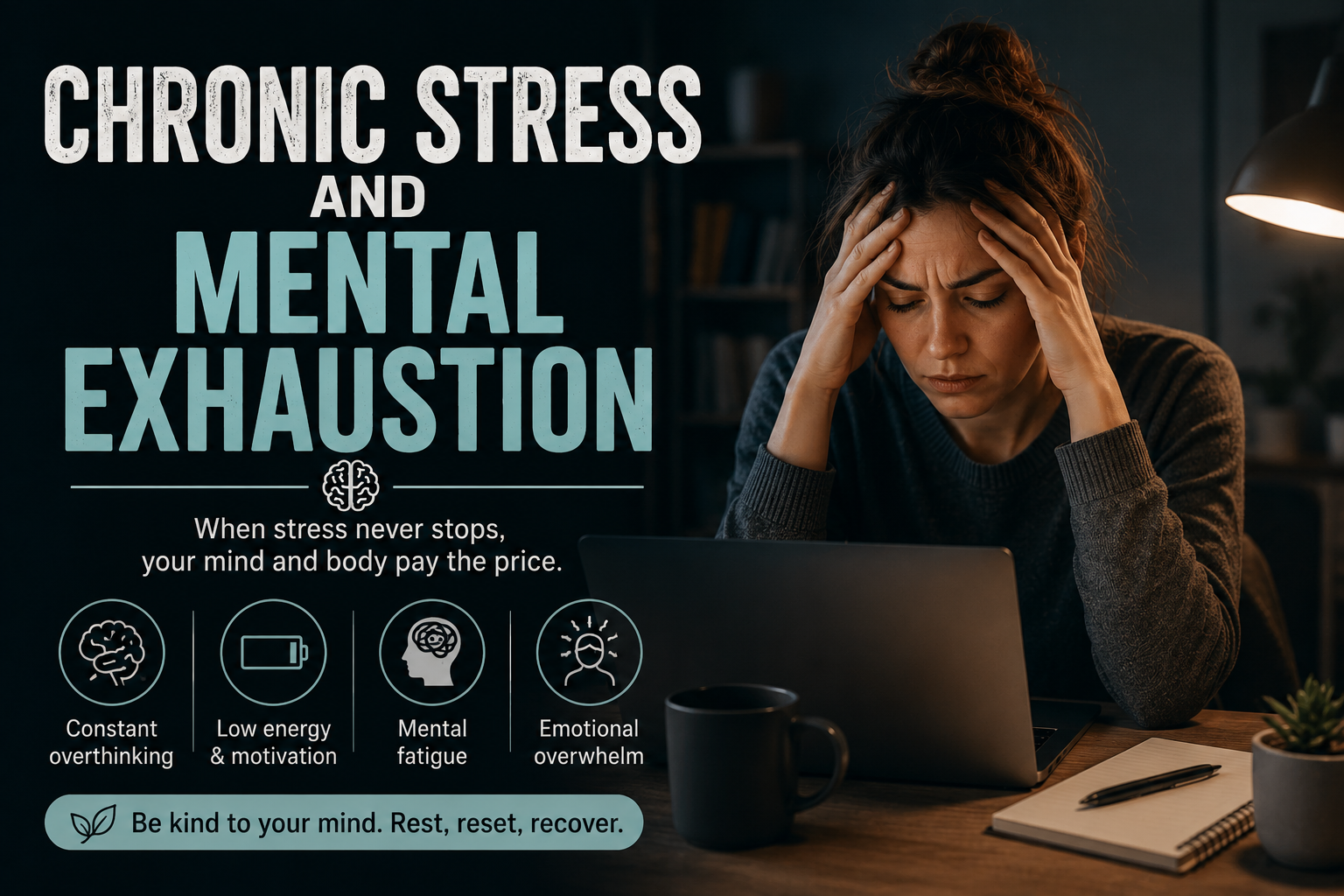
When emotional pressure continues for too long, the brain may begin “shutting down” emotional intensity to protect itself from overload.
This often causes:
- emotional detachment
- low emotional energy
- mental fatigue
- feeling disconnected
Related reading:
2. Anxiety and Constant Overthinking
Anxiety keeps the nervous system highly activated.
Over time, constant stress and overthinking can emotionally drain the brain.
Related reading:
3. Emotional Burnout
Emotional burnout happens when emotional demands exceed your ability to recover.
This can happen from:
- work stress
- relationship stress
- caregiving pressure
- constant emotional responsibility
External reference:
https://www.mayoclinic.org
4. Suppressing Emotions for Too Long
Some people avoid emotional expression because of stress, fear, trauma, or pressure.
Over time, emotional suppression can reduce emotional awareness and connection.
5. Nervous System Overload
When your brain stays overstimulated constantly, emotional processing becomes harder.
This may happen from:
- nonstop stress
- multitasking
- poor sleep
- overstimulation
- chronic anxiety
🧠 Signs of Emotional Numbness
- feeling emotionally disconnected
- lack of excitement or joy
- emotional flatness
- low motivation
- difficulty crying or expressing feelings
- feeling detached from others
- mental exhaustion
🧘 How to Recover From Emotional Numbness
1. Reduce Stress Overload
Your nervous system cannot recover while constantly overstimulated.
Reduce:
- excessive multitasking
- nonstop screen time
- information overload
- chronic stress exposure
2. Improve Nervous System Recovery
Recovery habits help emotions gradually return naturally.
Helpful habits include:
- quality sleep
- walking
- mindfulness
- breathing exercises
- quiet recovery time
Related reading:
3. Stop Forcing Emotions
Many people panic when they “can’t feel anything.”
Ironically, forcing emotions creates more stress.
Instead:
allow emotional recovery to happen gradually.
4. Reconnect With Small Enjoyable Activities
Simple positive experiences help rebuild emotional connection slowly.
Examples:
- listening to calming music
- nature walks
- journaling
- creative hobbies
- meaningful conversations
5. Reduce Constant Overthinking
Mental overload often blocks emotional processing.
Your brain needs moments of quiet to reconnect emotionally.
Related reading:
🧠 Why Emotional Numbness Happens After Long Stress

The brain sometimes reduces emotional intensity as a survival response during prolonged stress.
This is not weakness.
It is often your nervous system attempting to protect itself from emotional overload temporarily.
🧠 When Emotional Numbness Lasts Too Long
If emotional numbness continues affecting:
- relationships
- motivation
- daily functioning
- emotional connection
- mental health
your nervous system may need structured recovery support.
A guided system like the anxiety relief bundle includes:
- mindfulness exercises
- calming routines
- printable emotional recovery tools
- stress-reduction techniques
🔗 Internal Links
- mental exhaustion symptoms and recovery
- why can’t I relax even when nothing is wrong
- how to stop worrying about everything
- how to calm an overstimulated mind
- why do I overthink every conversation
🌿 Conclusion – Why Do I Feel Emotionally Numb?
Emotional numbness is commonly connected to:
- chronic stress
- anxiety
- emotional burnout
- nervous system overload
- mental exhaustion
The goal is not to force emotions instantly, but to reduce stress overload and allow your nervous system to recover gradually.
With healthier recovery habits and reduced mental pressure, emotional connection often improves naturally over time.

